Feces & Bodily Fluid Cleanup location coverage standards
Why a city name alone is not local expertise.
We have not published city pages for this specialty yet. Pages stay unpublished until they contain researched local context and useful decision support. Use the form to ask about your area.
Get an email reply about feces & bodily fluid cleanup
Send a short message to the follow-up inbox. A coordinator can reply by email. This form does not send emergency help; call 911 first if anyone is in danger.
Research before reach
A location is published only when its page includes meaningful local property, access, climate, jurisdiction, or documentation considerations.
Everything for one city on one page
Planning, safety, insurance, provider questions, sources, and documentation for each city sit together on a single guide.
No invented local offices
A city guide does not claim a storefront, parked crew, guaranteed arrival, job count, rating, or credential that has not been independently verified.
Use the national service guidance
The service and article libraries explain hazard controls, documentation, insurance questions, and provider verification without pretending those requirements are identical in every jurisdiction.
Not sure where to start?
Send a short message about your situation. Your request is sent to the follow-up inbox. A coordinator can reply by email.
Your request is sent to the follow-up inbox. A coordinator can reply by email.
If anyone is hurt or in danger, call 911 first.
Why location matters for feces & bodily fluid cleanup
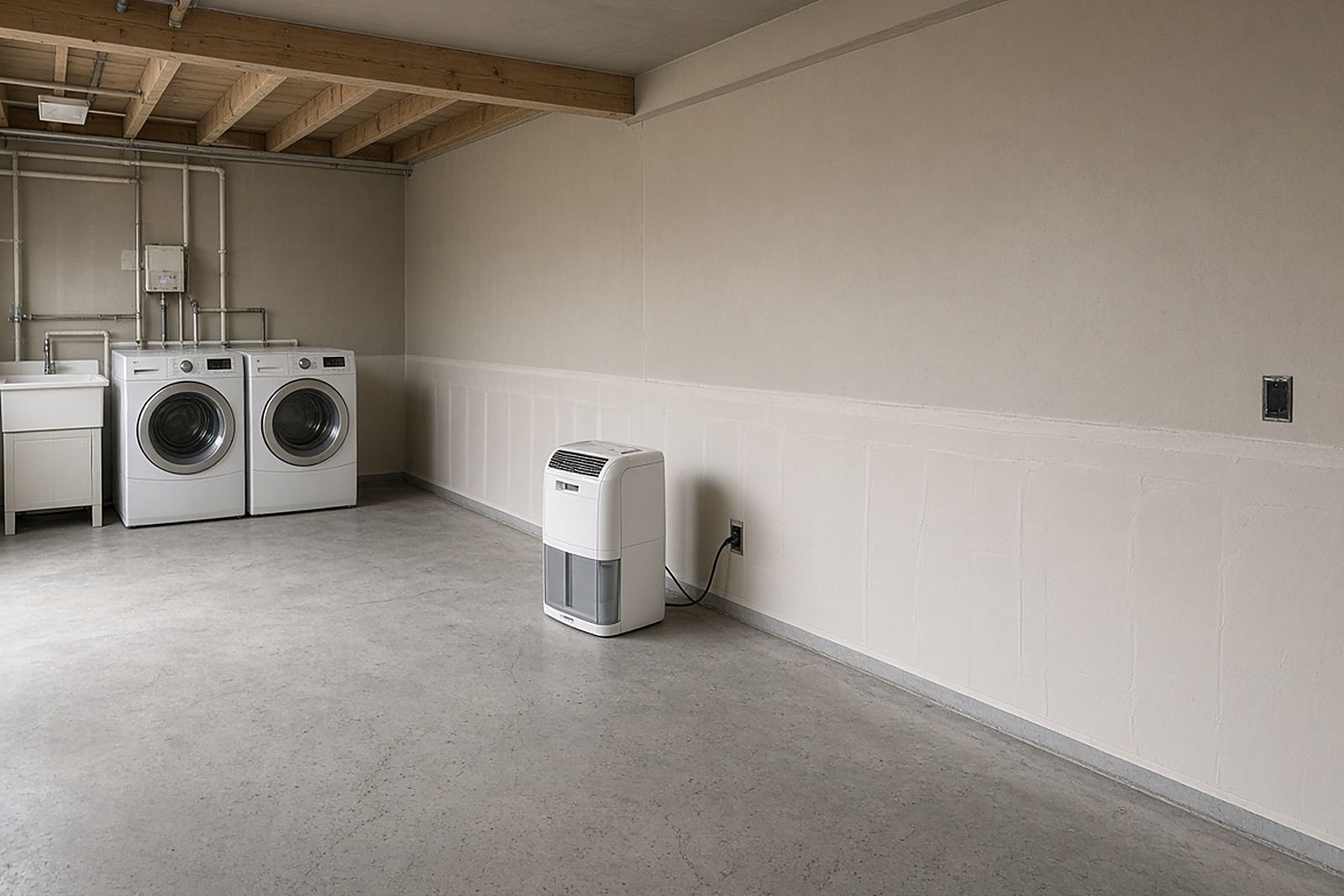
Where you live shapes a waste or fluid cleanup long before anyone picks up a sprayer. Homes on city sewer can get backups when an overloaded main fills after heavy rain. Homes on septic systems face different failures and deal with different officials. Older neighborhoods often still have clay or cast-iron pipes to the street that crack and let roots in. That turns one overflow into a problem that keeps coming back. Homes built on a slab send spilled waste sideways under baseboards. Houses with basements collect it at the lowest drain. In stacked apartments and condos, an upstairs toilet overflow can drip through ceilings into the unit below. Climate matters too. Humid summers wake up dried urine salts and bring odor back. Freezing weather can split pipes in empty homes, where no one notices a leak for weeks. State and county rules on dirty debris also differ a lot.
The officials tied to a sewage or body fluid problem are rarely the same ones involved in other biohazard work. If a backup came from the street, your city's public works department or sewer agency can confirm whether the main was blocked. It can also tell you who owns the pipe between the house and the main. The county health department usually oversees septic systems. It also responds to complaints about unsanitary living conditions. Your state environmental agency usually licenses septic haulers and sets rules for how dirty debris is sorted. The local solid waste office decides whether soaked carpet and drywall may go out with bulk pickup. Code enforcement and building departments get involved when subfloor or drywall is replaced. When an adult at risk lives with an ongoing mess, adult protective services may be the right office to call. Rules vary by state and county, so check with the local agency.
A company that lists carpet cleaning, water damage, and biohazard work on one sign may or may not be ready for sewage and human waste. Test it with specific questions. Ask which water category it would give your loss and why. Then ask what it removes by default for that category. Have the company list each disinfectant it plans to use by name and registration number, and check them yourself. Ask which transfer station or landfill takes the soaked flooring and drywall. Confirm that site accepts sewage debris from your county. Find out whether the company works with a licensed plumber or expects you to find one. Cleanup cannot succeed while the source still leaks. Look up any state contractor registration it names. If a company promises odor will never come back before it lifts a single floor covering, keep looking.
What to verify locally
- Whether the backup started in your own pipe to the street or in the public sewer main. Get this in writing from the sewer utility or a licensed plumber's camera check.
- Which landfill or transfer station near you takes sewage-soaked carpet, pad, and drywall, and whether it needs special bagging or notice ahead of time.
- The EPA registration numbers of every disinfectant in the plan. Also check whether any product claims to kill spores, if illness in the home makes that matter.
- Whether replacing subfloor, drywall, or cabinets at your address needs a building permit, and who must get it before rebuilding starts.
- How the company will protect the unit below or beside yours when the overflow happened in a building with several floors and shared pipes.
- Whether your county health department must be told when a septic failure caused the mess, and what the company will do to avoid harming the system.
National figures for context
These are national or research figures, not data for any one city.
- 2,500 outbreaks
About 2,500 norovirus outbreaks are reported in the United States each year, most spread by direct person-to-person contact.
Read with care: Reported outbreaks undercount household clusters.
Source: CDC (2024)United States, reported outbreaks per year
- 1 in 60 homes
About 1 in 60 insured homes files a water damage or freezing claim each year, with an average payout of $15,400 and 22.6% of all homeowner claims in 2023.
Read with care: Water damage category includes burst pipes and is not limited to sewage backups.
Source: Insurance Information Institute (2025)US homeowners insurance claims, 2019–2023
- $50–$250/year
Standard homeowners insurance does not typically cover water or sewer backup; an optional endorsement costs roughly $50 to $250 per year with limits starting around $5,000.
Read with care: Single insurer's general guidance; premiums and limits vary by carrier and state.
Source: The Hanover Insurance Group (2024)US homeowners policies, insurer guidance
These figures are public research and agency data, not this network's own job records. Keep each number with its population, year and limits; none of them predicts cost, timing or outcome at a specific property.
Local questions about feces & bodily fluid cleanup
Who pays when sewage backs up from the city main into my basement?
It depends on where the blockage happened and on local laws. Many cities say the pipe between your house and the main is the owner's job. Blockages in the main itself are the utility's job. Some cities accept claims for backups caused by their system. Others limit what they will pay. Call the sewer utility, report the backup quickly, and ask how to file a claim. Keep the plumber's findings and your photos. Check whether your insurance policy includes a sewer backup add-on.
Does a septic system change how a waste backup is cleaned up?
Yes. When a septic tank or drain field fails, the source may be outside the house. Cleanup inside cannot succeed until the system is pumped or fixed. Heavy equipment and foot traffic can damage a drain field. So the company should know where it is before parking trucks. Liquid waste pulled out during cleanup must not go back into a failing system. Your county health department usually oversees septic repairs. Contact it and ask what it needs before work starts.
Can sewage-soaked carpet and drywall go to my local dump?
Often it can, but the rules vary. Many areas treat sewage debris as regular building waste once it is bagged. Others ask for double-bagging, labels, or delivery to a certain transfer station. Curbside bulk pickup is a different question. Trash crews may refuse items that are visibly dirty or soaked bags that leak. Call the local solid waste office and describe the material honestly. Ask which site will take it. A cleanup company should already know the answer for your county.
An upstairs unit overflowed into my condo. Who runs the cleanup?
Start with the condo association or building manager. Shared pipes and the ceiling between units may be common property under the building's rules. The owner of the unit where the overflow began may also be liable. Tell your own insurer, and ask the association for its insurance details. Photograph ceiling stains and anything that dripped into your space. One company working in both units usually keeps the water category and removal choices consistent. That helps when several insurers are involved.
Does humid weather in my region make urine odor come back?
It can. Urine leaves salts in padding, subfloor, and wood trim. These salts soak up moisture from the air and give off odor again when humidity rises. In muggy climates, a room that smelled fine in winter may turn sour by midsummer if the source was never removed. Ask the company how it confirms the source material is gone. Ask whether it suggests a follow-up check after a humid stretch. A dehumidifier helps, but it cannot fix residue left inside the floor.
Can my local health department inspect a rental with waste problems?
In many places, yes. County or city health departments and housing code offices often respond to complaints about unsanitary conditions in rentals. These include sewage leaks and built-up human or animal waste. What they can order, and how fast, depends on local codes. Tenants can usually file a complaint directly. Landlords sometimes call the same office to record the mess a tenant left behind. Ask the office what proof it needs and whether it gives a written inspection report you can keep.
Will I need a permit to replace flooring or drywall after a sewage cleanup?
Removing dirty materials is usually part of cleanup and often needs no permit. But rebuilding can. You may need a permit and inspection to replace structural subfloor, change plumbing, move electrical outlets, or add a backflow valve. It depends on where you live. Call the building department and describe the planned work before the rebuild contractor starts. Some insurers also want proof that permitted work passed inspection before they send the final payment. Keep those records with your cleanup file.
More on feces & bodily fluid cleanup
Feces & Bodily Fluid Cleanup services
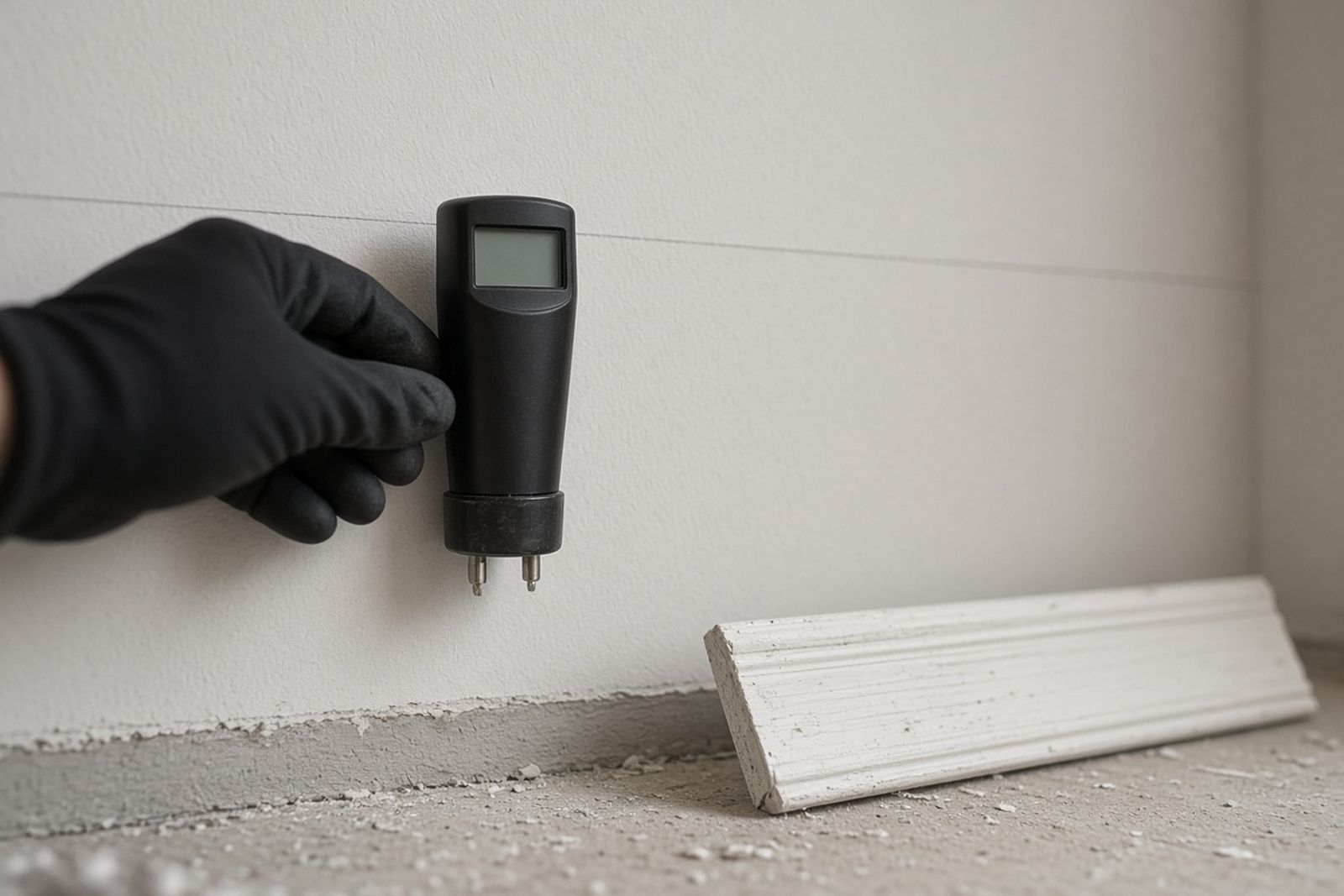
See how pro cleanup of sewage, waste, and soaked materials really works in homes and rentals. Learn about moisture checks, removing materials, and records.
Costs explained
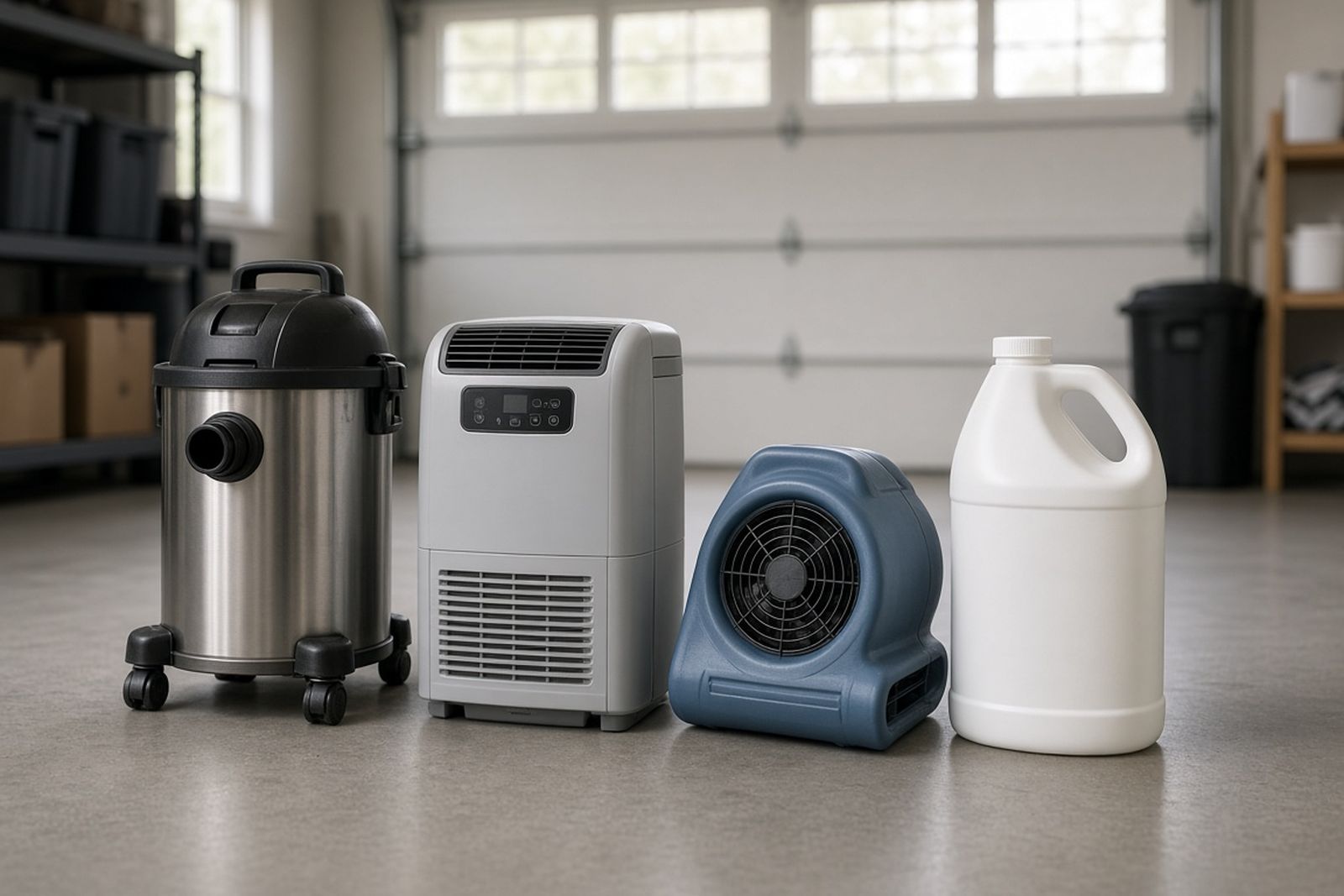
What drives the price, published cost ranges, and how to read a written quote line by line.
Insurance and payment
Which policies may respond, how to document a claim, and what to do if coverage is denied.
Planning tools
Use hands-on tools to see cost drivers, check a company, organize a claim, plan the first day, sort debris, and weigh doing it yourself.
Community polls
See how other homeowners, landlords, and caregivers handled sewage backups and waste messes. Compare their choices with the one in front of you.
Knowledge quiz
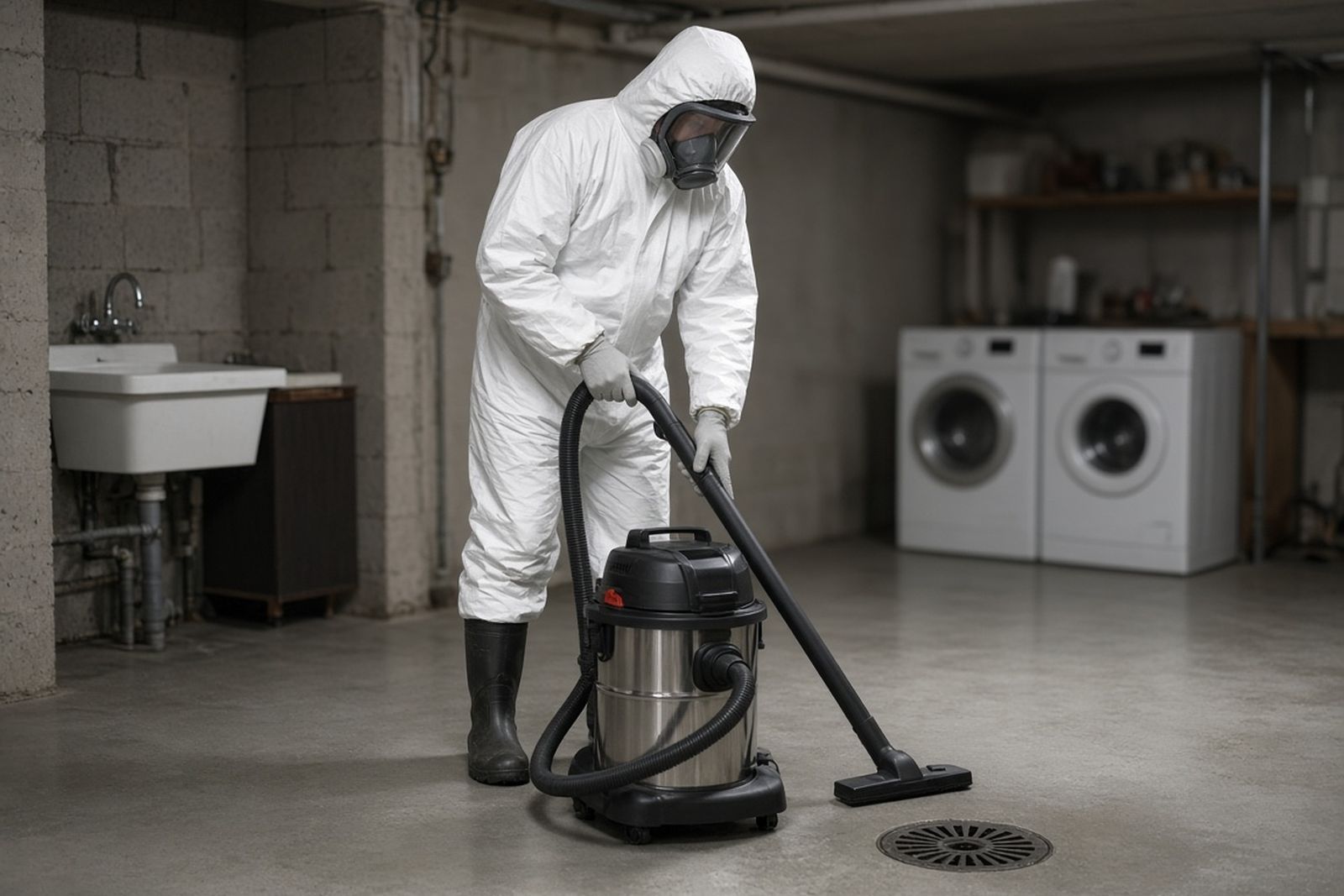
Test what you know before you call a company or start cleanup. Learn to spot hazards, keep a mess in one place, clean in the right order, and deal with waste.
Articles and resources
Read practical articles on rental move-outs, pet urine soaked into floors, accidents in elder care, and sewage claims. They are written for people facing these problems for the first time.
Field guides
Step-by-step guides walk through common home situations. They explain what to expect, what to record, and which choices depend on local rules.