Feces & Bodily Fluid Cleanup field guides
Long-form planning resources built around one property decision each.
Every guide is written around a distinct decision, cites primary sources, states its limits plainly, and ends with a practical handoff. They are not keyword permutations of one another.
Get an email reply about feces & bodily fluid cleanup
Send a short message to the follow-up inbox. A coordinator can reply by email. This form does not send emergency help; call 911 first if anyone is in danger.
How to use these guides
These guides are for the time between finding a sewage backup, a soiled room, or a urine-soaked floor and deciding who will fix it. They explain how to tell a clean-water leak from dirty water. They show which materials can be cleaned and which usually come out. They explain why spraying disinfectant on visible waste does little. They show how to read a work plan that lists pulling out water, removal, cleaning, and drying as separate lines. You will also find guides for caregivers handling repeat accidents and for landlords facing a unit left in bad shape. Others help owners of empty homes where a leak went unnoticed. Each one aims to help you ask sharper questions. None of them is meant to hand you a pry bar and a sprayer.
Most guides open with a table of common cases and end with a short checklist. The table groups familiar cases by what you are likely to see and what usually needs to happen next. Examples include a toilet overflow on tile, sewage under floating floors, or pet urine in carpet over plywood. The checklist runs in the order you will really face things. Stop the source, keep people out, and take photos and notes. Then get an inspection, approve a work plan, and confirm the agreed finish line for the job. When your case sits between two rows, lean toward the more careful choice. Hidden moisture in the floor is far easier to fix now than after new flooring goes down.
Sourced figures behind the guides
- 98.1%
Manual wiping met the study's disinfection-success criterion on 98.1% of surfaces versus 75.5% for UV-C.
Read with care: Specific device, protocol and success criterion; no patient infection endpoint.
Source: Knobling et al. (2023)Naturally contaminated surfaces in a comparative field test.
- 81%
81% reported bleach use on high-touch surfaces in contact-isolation rooms.
Read with care: 47 of 273 contacted participated; practices were reported rather than observed.
Source: Han et al. (2021)47 US hospital environmental-services respondents across 26 states; 2019 survey.
- 56%
56% also used masks obtained from other sources.
Read with care: Self-selected follow-up; no untreated comparison; perceived instruction quality is not proof of protection.
Source: Li et al. (2020)83 analysed follow-up participants from a Houston PPE-and-training outreach programme after Harvey.
These figures are public research and agency data, not this network's own job records. Keep each number with its population, year and limits; none of them predicts cost, timing or outcome at a specific property.
Questions about these field guides
Where do I begin reading if sewage just came up through a floor drain?
Open the backup-response guide first. It covers stopping the source, keeping people and pets out, and taking photos before anything is moved. Next, read the guide on water categories and material choices, so the company's advice makes sense. The insurance and plan-reading guides are most useful once you have an inspection in hand. Then you can compare it with your policy or a second bid.
Do the guides cover pet urine and animal waste?
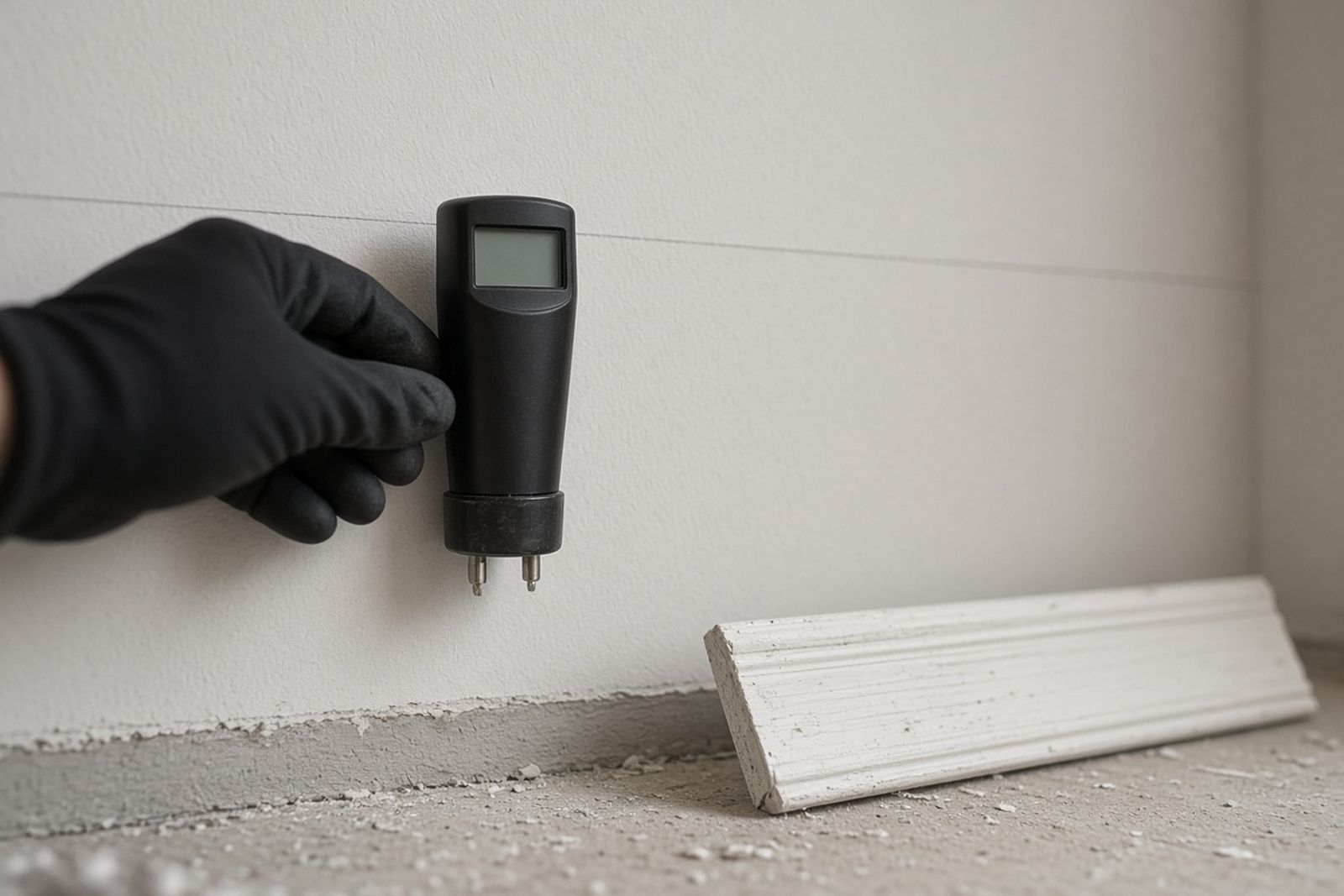
Yes. Several guides cover long-term pet urine in carpet, pad, subfloor, and baseboards. They also cover messes left by animals in closed rooms. They explain why shampooing the surface often fails. They show how moisture meters and UV lights help find hidden pockets of urine. They explain when removing trim or padding is the practical choice. They also note that animal waste can carry different germs than human waste, which affects protective gear.
Are the guides useful for a caregiver and not just a property owner?
They are. One set of guides focuses on repeat accidents at home, such as incontinence that affects a mattress, recliner, or bedroom carpet. It covers protecting surfaces ahead of time. It covers picking products that are safe to use around the person getting care. It also covers how to tell when buildup in padding or furniture calls for pro removal. The guides avoid medical advice and suggest talking with the care team about hygiene supports.
How do the guides treat the line between plumbing and remediation?
They treat them as separate trades with separate jobs. A plumber stops the source and fixes pipes, fixtures, or the line to the street. A cleanup company removes the mess, cleans, disinfects, and dries. The guides explain why cleanup should not start while the source is still active. They also show how to make sure each bill describes only the work that trade did, which matters to insurers.
Can I share a guide checklist with my landlord or property manager?
Yes, and doing so often speeds things up. A shared checklist gives both sides the same list of steps, from written notice through the final moisture readings. Landlords can use it to confirm what a provider will deliver, and tenants can use it to show which conditions they reported and when. Print it or save it as a document and keep a dated copy with your records.
Which guide helps with long-term urine odor in a rental unit?
Start with the guides on hidden messes and odor control. They explain how urine travels into pad, subfloor, and the bottoms of walls, and why surface cleaning often fails. Pair them with the property manager and landlord material if you own the unit. Use the tenant sections if you rent. The waste and disposal guidance helps once flooring must come out.
Do the guides explain how to read a provider's written scope?
Yes. The guide on sewage versus fecal cleanup plans walks through the parts of a plan you should expect to see. These include the water category, the affected areas, and which materials are removed or cleaned. They also include the disinfectant and contact time, waste handling, and when it is safe to move back in. Use the guide side by side with your own plan. Note anything missing or unclear to raise with your company before you sign.
More on feces & bodily fluid cleanup
Feces & Bodily Fluid Cleanup services
See how pro cleanup of sewage, waste, and soaked materials really works in homes and rentals. Learn about moisture checks, removing materials, and records.
Costs explained
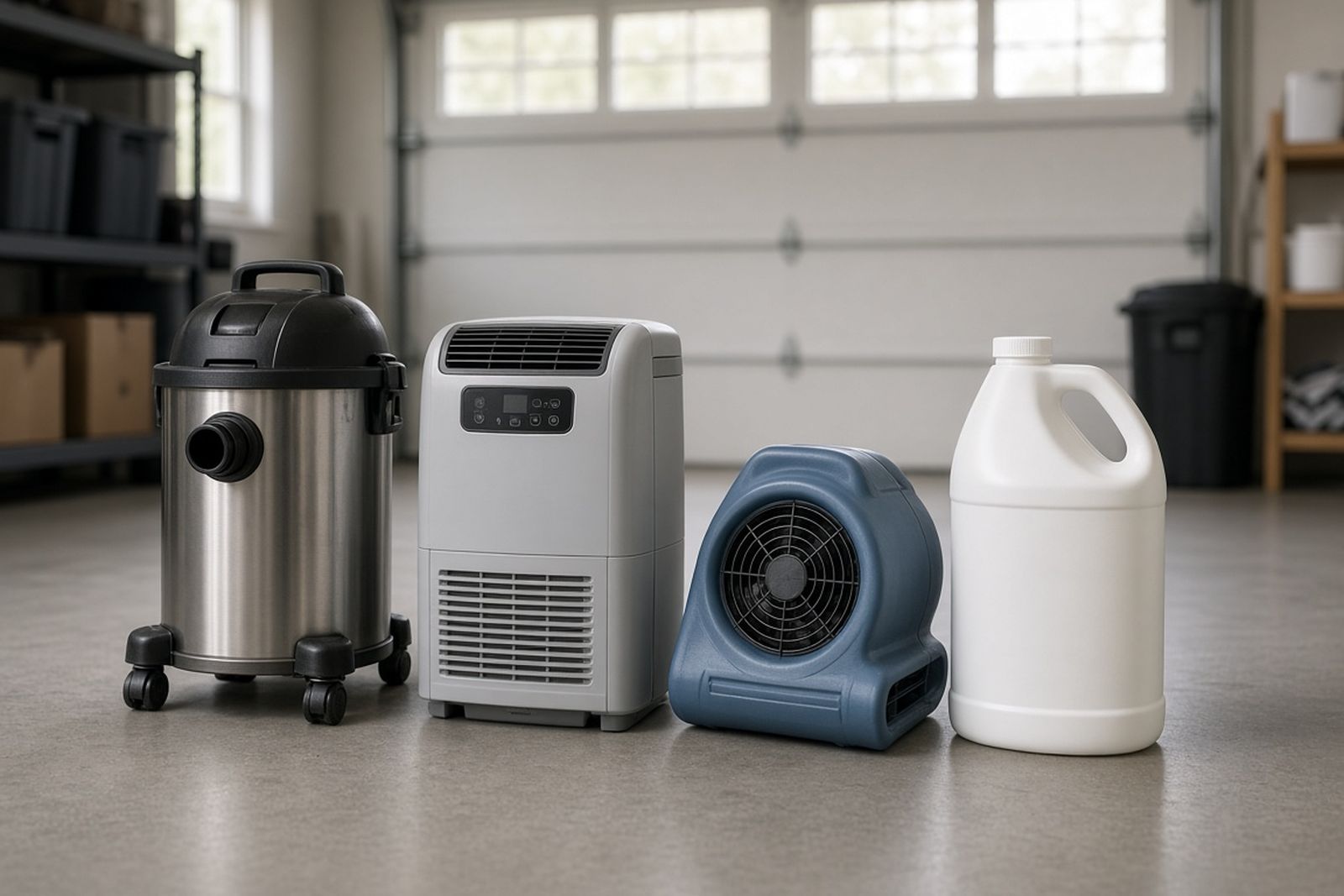
What drives the price, published cost ranges, and how to read a written quote line by line.
Insurance and payment
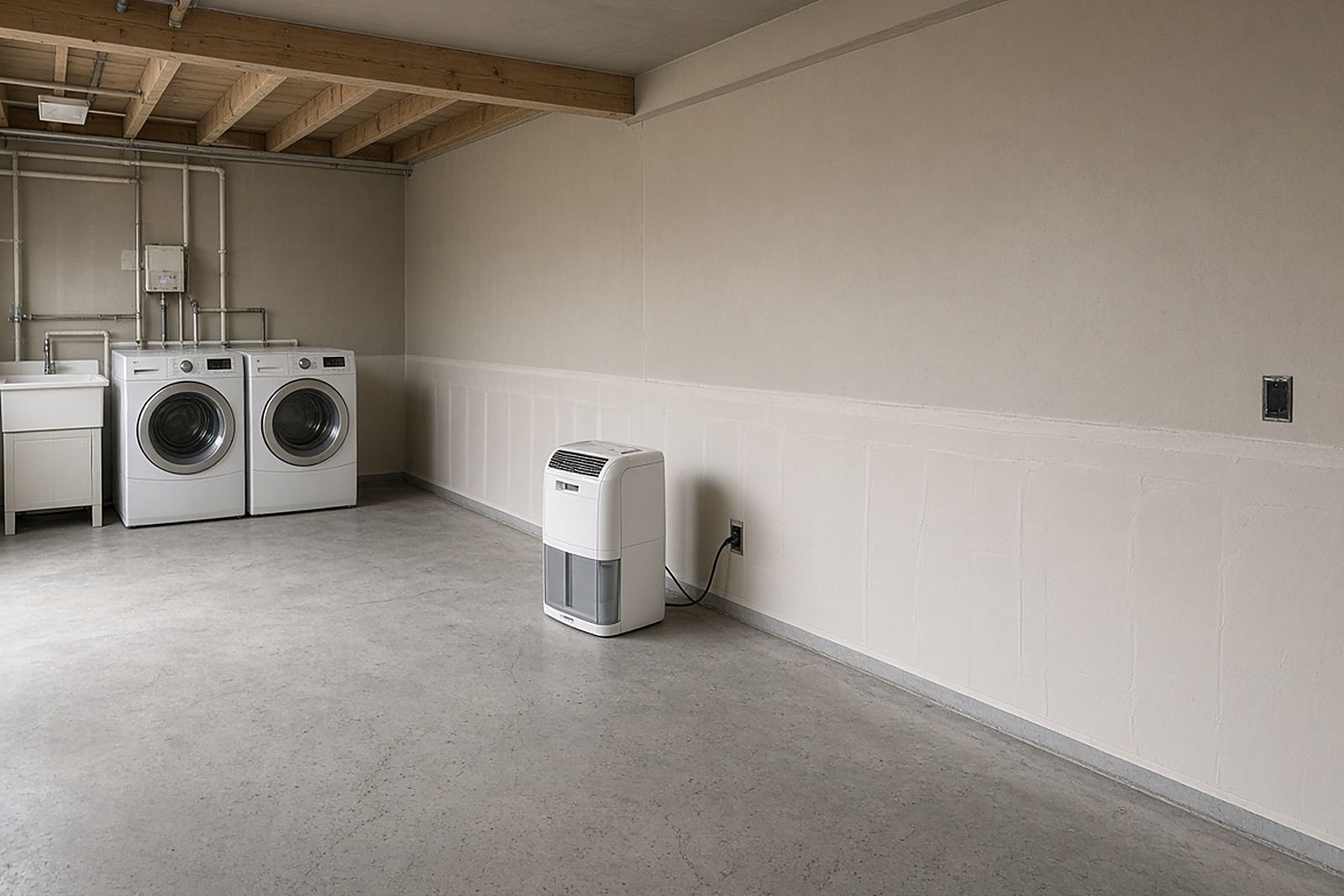
Which policies may respond, how to document a claim, and what to do if coverage is denied.
Planning tools
Use hands-on tools to see cost drivers, check a company, organize a claim, plan the first day, sort debris, and weigh doing it yourself.
Community polls
See how other homeowners, landlords, and caregivers handled sewage backups and waste messes. Compare their choices with the one in front of you.
Knowledge quiz
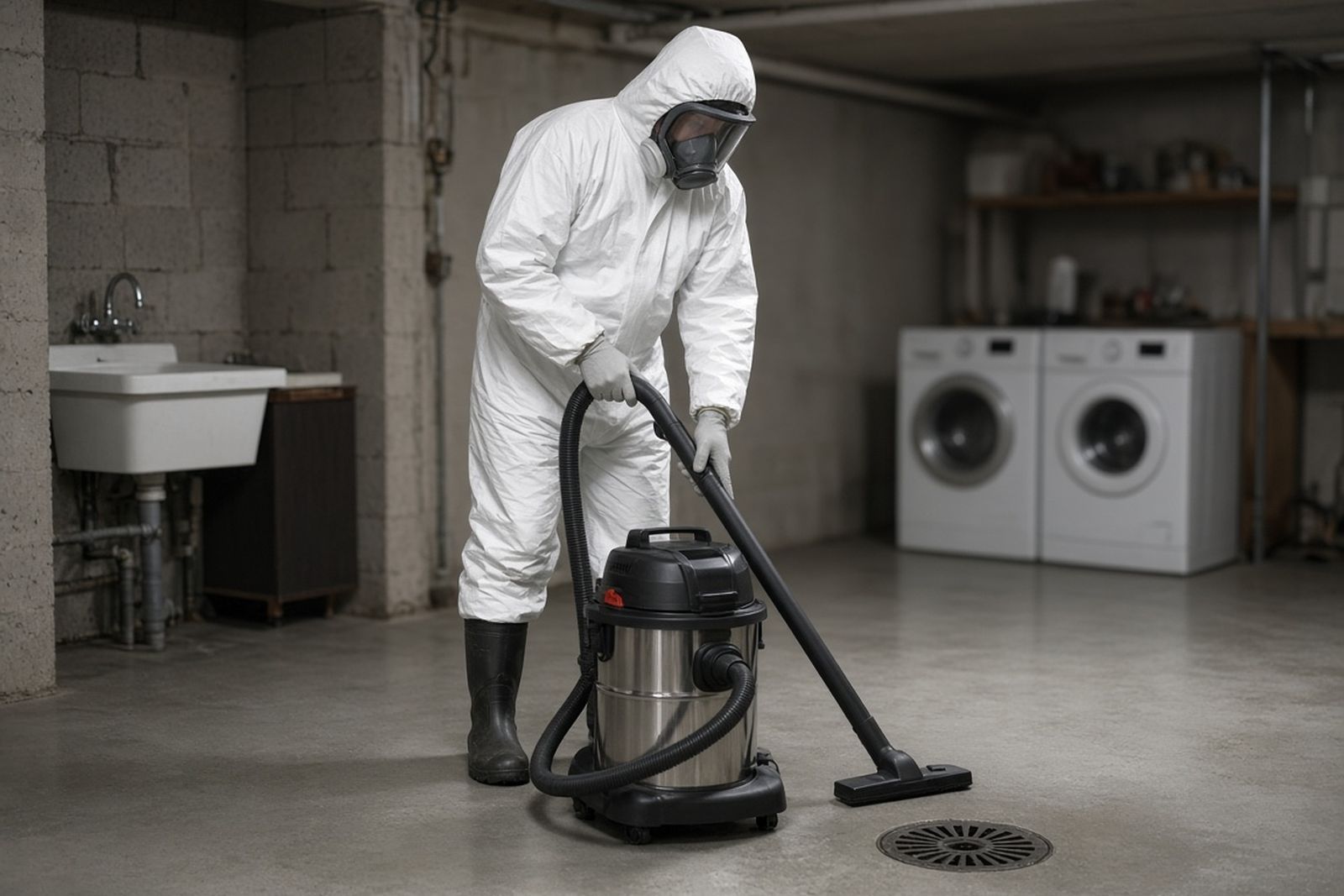
Test what you know before you call a company or start cleanup. Learn to spot hazards, keep a mess in one place, clean in the right order, and deal with waste.
Articles and resources
Read practical articles on rental move-outs, pet urine soaked into floors, accidents in elder care, and sewage claims. They are written for people facing these problems for the first time.